Weight Loss Without Ozempic or Injections (and What Actually Helps)
Key Takeaways
- ✓ Metabolic rate declines roughly 1-2% per decade after 30, and muscle loss accelerates after 40, which means the calorie strategies that worked in your 30s will likely need to be updated.
- ✓ Insulin resistance is one of the most common and underdiagnosed drivers of midlife weight gain, and it can be meaningfully improved through diet, exercise, sleep, and certain well-studied nutrients without injections.
- ✓ GLP-1, the hormone that Ozempic mimics, is also naturally released in response to high-protein meals, dietary fiber, and green tea catechins, giving you real, if more gradual, use over appetite.
- ✓ Resistance training two to three times per week preserves muscle mass, raises resting metabolic rate, and reduces visceral fat more effectively than cardio alone for adults over 40.
- ✓ Chronic sleep deprivation under six hours raises ghrelin, lowers willpower for food choices, and elevates cortisol, making it one of the most underappreciated blockers of weight loss progress.
- ✓ Common medications including certain antidepressants, beta-blockers, and corticosteroids can cause measurable weight gain, and a simple conversation with your doctor about alternatives is worth having before overhauling your diet.
Why Weight Loss Without Ozempic or Injections Gets Harder After 40: The Hormonal and Metabolic Shifts Nobody Explains Clearly
After 40, your body's calorie-burning machinery genuinely slows down, and it's not a motivation problem. NIH data puts the drop in resting metabolic rate at roughly 1-2% per decade starting around age 30, which sounds small until you do the math: a 45-year-old woman who burned 1,650 calories at rest at age 25 may now burn closer to 1,480, without changing a single habit. That 170-calorie gap compounds daily.
Muscle loss is a big part of why. Sarcopenia, the age-related loss of skeletal muscle, begins as early as 35 and accelerates through the 40s, with some research suggesting adults lose 3-8% of muscle mass per decade after 30. Muscle is metabolically expensive tissue. Every pound of it burns roughly 6 calories per day at rest, compared to about 2 calories for a pound of fat. Lose 10 pounds of muscle over a decade and your resting burn drops by another 40 calories a day, on top of the hormonal changes happening at the same time.
Those hormonal changes are where it gets complicated. Estrogen in women and testosterone in men both decline through the 40s, and both hormones influence where fat gets stored and how readily the body releases it. Falling estrogen shifts fat storage toward the abdomen. Lower testosterone in men reduces the anabolic stimulus that maintains muscle. Cortisol, the stress hormone, tends to run higher in midlife partly because the feedback loop that damps it down becomes less efficient with age, and elevated cortisol directly promotes visceral fat accumulation around the organs.
Insulin sensitivity drops too. A large 2021 cohort analysis tracking over 6,400 adults across midlife found that insulin resistance increased meaningfully between ages 40 and 55, independent of body weight changes. That matters because insulin resistance means more circulating insulin, and high insulin actively suppresses fat release from fat cells.
Then there's the hunger hormone picture. Ghrelin, which signals hunger, and leptin, which signals fullness, both become less reliable with age. Leptin resistance is the common misunderstanding here: people assume more body fat means stronger fullness signals, but the opposite often happens. The brain stops responding to leptin properly, so you feel hungry even when fat stores are full. GLP-1, the gut hormone that Ozempic mimics with semaglutide, also gets blunted. And GLP-1 release is genuinely influenced by what you eat: high-fiber foods and protein both stimulate GLP-1 secretion from L-cells in the small intestine, as do fermented foods to a lesser degree. Meal timing may play a role too, at least in the studies I could find on time-restricted eating, though this part is less settled.
The practical upshot: a 500-calorie daily deficit that got you losing a pound a week at 33 may produce half that result at 48, not because you're doing it wrong, but because the hormonal environment has genuinely shifted. This week, start tracking protein specifically, not just calories. 7-1 gram per pound of body weight daily. That single change supports both muscle retention and GLP-1 secretion, two levers you can actually pull without a prescription.
Blood Sugar, Insulin Resistance, and Weight Loss Without Injections: What the Connection Actually Means for People Over 40
Insulin resistance is one of the most common reasons fat accumulates around the belly after 40, and fixing it is central to losing weight without injections. When your cells stop responding normally to insulin, your pancreas pumps out more of it. Chronically high insulin signals fat cells, especially visceral adipose tissue, to hold onto stored triglycerides and actively blocks the enzyme hormone-sensitive lipase, which is the main enzyme your body uses to release fat for burning. You cannot out-exercise a constantly elevated insulin level.
Three behaviors drive this cycle hard: eating refined carbohydrates regularly (white bread, sweetened drinks, instant oatmeal), sitting for most of the day, and sleeping fewer than 6 hours a night. A 2019 cohort study of 2,103 adults found that sleeping 5 hours or less was independently associated with a 30% higher likelihood of insulin resistance compared to those sleeping 7-8 hours, even after adjusting for diet and activity. Sleep is not optional for metabolic health.
Several nutrients have been studied specifically for their effects on insulin signaling. Berberine gets the most attention, and for good reason. 71% compared to placebo. It works by activating the AMPK pathway, the same enzyme metformin targets, though through a different binding mechanism. Chromium picolinate has been studied for its role in GLUT4 transporter activity, meaning it may help muscle cells pull glucose in more efficiently. Alpha-lipoic acid, which NIH-funded research has examined as an antioxidant that may reduce oxidative stress in insulin-signaling pathways, is typically studied at 600 mg per day. Banaba leaf extract contains corosolic acid, which research suggests may mimic insulin activity at the cellular membrane level.
On the food side, swapping high-glycemic carbohydrates for lentils, barley, or sweet potatoes makes a measurable difference over 8-12 weeks. One practical trick backed by a small 2017 RCT: taking 1-2 tablespoons of apple cider vinegar diluted in water before a starchy meal reduced postprandial glucose spikes by roughly 20% in insulin-resistant adults. Eating protein first at each meal, before any carbohydrates, also blunts the glucose response through slower gastric emptying. You can find apple cider vinegar capsules at Walmart or CVS for around $8-12 if the liquid version is hard to stomach.
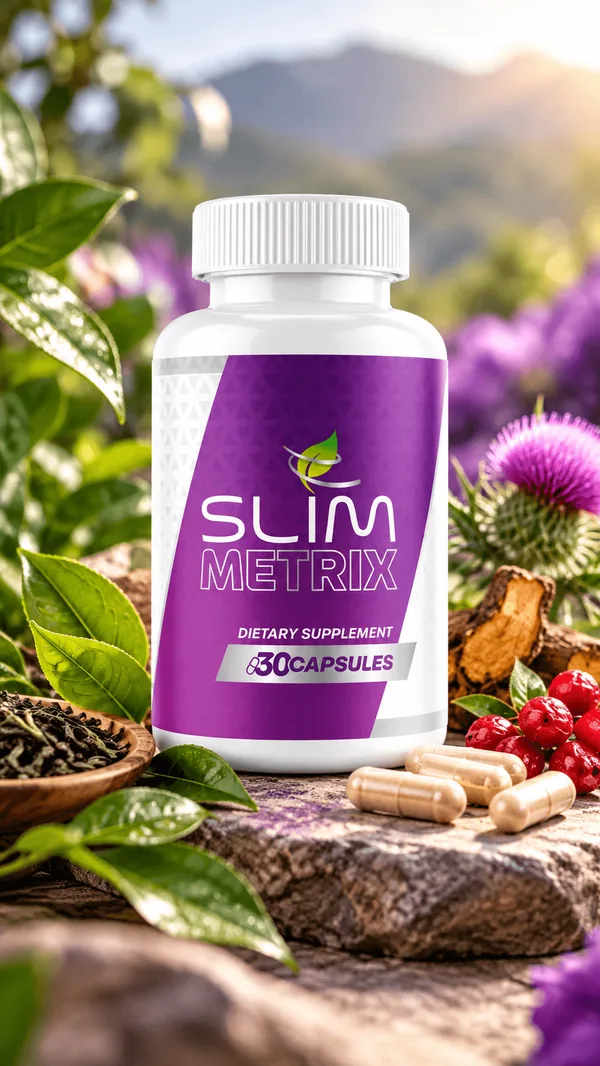
Some people look for a supplement formula that combines berberine, chromium, alpha-lipoic acid, and banaba leaf in one product. SlimMetrix is one option that includes several of these studied ingredients. These are supportive tools, not pharmaceuticals, and they work best when paired with the food and sleep changes above, not instead of them.
Hunger Hormones, GLP-1, and Appetite Control: How to Get Similar Effects to Injections Through Food and Lifestyle
GLP-1 is a natural gut hormone your body already makes, and specific foods and habits can meaningfully increase how much of it you release. Ozempic works by mimicking GLP-1 and preventing its breakdown, slowing gastric emptying and reducing appetite. But the hormone itself is not unique to the drug. L-cells lining your small intestine and colon secrete GLP-1 in response to food, and the type of food matters a lot.
High-protein eating is one of the strongest natural GLP-1 triggers studied so far. 5g per kg of body weight daily) increased fasting GLP-1 levels by 25% over 12 weeks compared to a standard-protein control group. Fermented foods such as plain Greek yogurt and kimchi also show preliminary signals for supporting GLP-1 secretion, likely through gut microbiome changes that affect L-cell activity. Green tea catechins, specifically EGCG at doses around 300-400 mg daily, have been shown in a 2021 randomized trial (n=118) to improve GLP-1 area under the curve after a meal by roughly 15%.
Fiber matters just as much. Soluble fiber, particularly from oats, flaxseed, and black beans, ferments in the colon into short-chain fatty acids like butyrate and propionate. These SCFAs directly stimulate L-cells to release more GLP-1. The research-backed target is 25-35g of total fiber per day. Most American adults average around 15g. Closing that gap by adding half a cup of cooked lentils (about 8g fiber) and two tablespoons of ground flaxseed (about 4g) to your daily routine is a concrete starting point you can do this week.
On the other side of the equation is ghrelin, the hormone that tells your brain you're hungry. Ghrelin rises sharply after crash dieting and after poor sleep. A 2022 study found ghrelin levels were 28% higher in adults sleeping under 6 hours compared to those sleeping 7-9 hours. This is one reason cutting calories too aggressively often backfires: you lose weight short-term but hunger hormones spike hard and make the deficit unsustainable.
Leptin resistance deserves a mention because it's often overlooked. Leptin signals fullness to your brain. Ultra-processed foods, which contain emulsifiers like carrageenan and polysorbate 80, may disrupt the gut barrier enough to promote inflammation that interferes with leptin receptor sensitivity. The mechanism isn't fully nailed down yet, but the epidemiological signal is consistent across several large cohort studies.
Eating slowly without a screen in front of you is not just a wellness cliche. The vagus nerve carries satiety signals from your gut to your brain, and that signaling takes roughly 15-20 minutes from the time food hits your stomach. Eating a 600-calorie meal in 7 minutes means your brain gets the fullness signal after you've already stopped. People who reported eating slowly in a 2018 Japanese cohort study of 59,717 adults were 42% less likely to be obese than fast eaters, even controlling for calorie totals.

Green Tea, EGCG, Resveratrol, and Zinc: Separating Real Evidence from Supplement Marketing
Of the dozens of plant-based ingredients marketed for weight loss, four have enough human trial data to take seriously: EGCG from green tea, resveratrol, and zinc. Not one of them is a miracle. But the mechanisms behind each are specific enough to matter, especially if you're over 40 and your metabolism doesn't respond the way it did at 30.
EGCG (epigallocatechin gallate) is the catechin that does most of the work in green tea. A 2009 meta-analysis published in the International Journal of Obesity3 kg on average, in adults taking EGCG supplements versus placebo. The mechanism is worth understanding: EGCG inhibits the COMT enzyme (catechol-O-methyltransferase), which normally breaks down norepinephrine. With less COMT activity, norepinephrine stays elevated longer, which nudges your body toward thermogenesis and fat oxidation. The effective dose range studied is typically 270-600mg per day of actual EGCG, not total green tea extract. Read labels carefully because many supplements list extract weight, not EGCG content. A bottle at Walgreens or Costco might say "500mg green tea extract" but deliver only 50mg of EGCG.
Resveratrol works differently. It activates SIRT1, a protein that supports mitochondrial biogenesis, essentially prompting cells to produce more and more efficient mitochondria. In animal models, the results looked dramatic. Human RCTs have been considerably less exciting. A 2012 placebo-controlled trial in Cell Metabolism did show improvements in insulin sensitivity and mitochondrial function in obese men, but weight loss itself was not statistically significant. Your mileage may vary here. Resveratrol may support metabolic function without moving the scale much, which is still meaningful for adults at cardiovascular risk, but the marketing tends to oversell it.
Zinc is the ingredient most people overlook, and that's a mistake for anyone over 40. Zinc is required for the enzyme that converts T4 (the inactive thyroid hormone) into T3 (the active form your cells actually use). Low zinc also disrupts leptin signaling, the hormone that tells your brain you're full. CDC data suggests a meaningful portion of American adults, particularly men over 50, consume less zinc than recommended. You can get a basic serum zinc test from most primary care doctors; it usually runs under $40 without insurance. Food sources include oysters, pumpkin seeds, and beef, but a 15-25mg zinc supplement (zinc glycinate absorbs better than zinc oxide) is a low-cost option to discuss with your doctor. SlimMetrix combines EGCG, resveratrol, and zinc in clinically studied dosages, which is worth noting if you'd rather not manage three separate bottles.
One common misunderstanding: none of these ingredients do much in the absence of a calorie deficit. They may support the process by improving fat oxidation or thyroid function, but they don't override energy balance on their own.
How Stress and Sleep Deprivation Make Weight Loss Without Ozempic or Injections an Uphill Battle
Chronic stress and short sleep are two of the most underappreciated reasons weight loss stalls in adults in their 40s and 50s. The biology is specific and it's not about willpower.
Cortisol, your primary stress hormone, binds to glucocorticoid receptors that are particularly dense in abdominal adipose tissue. When cortisol stays chronically elevated, those receptors essentially instruct fat cells in your belly to store more triglycerides. At the same time, cortisol raises blood glucose through gluconeogenesis, which pushes insulin up, and elevated insulin is a fat-storage signal. On top of that, cortisol degrades muscle protein for fuel, a process called catabolism, which lowers your resting metabolic rate over time. Less muscle means fewer calories burned at rest, which makes every subsequent week harder.
Sleep compounds the problem. An NIH cohort study tracking over 68,000 women for 16 years found that those sleeping 5 hours or fewer per night had higher rates of weight gain and obesity over the follow-up period compared to women sleeping 7 hours. A large part of that link runs through ghrelin, the hunger hormone. Sleep restriction raises ghrelin and suppresses leptin, so you wake up genuinely hungrier, not just undisciplined. 5 hours per night, participants consumed roughly 300 extra calories daily, heavily skewed toward high-carbohydrate, high-fat snacks in the evening.
A few practical things you can do this week:
- Set a consistent sleep window, not just a duration. Going to bed at midnight and waking at 7am every day beats sleeping 8 hours at random times. Circadian consistency matters for cortisol rhythm.
- Get outside within 30 minutes of waking. Morning light, even on a cloudy day in Ohio or Minnesota, suppresses melatonin and anchors your cortisol peak to the morning where it belongs, which helps it drop by evening.
- Try magnesium glycinate at 200-400mg before bed. This form absorbs well and research suggests it may support sleep onset and reduce nighttime cortisol. It runs about $15-25 at CVS or Walmart. The glycinate form is easier on digestion than magnesium oxide.
- Practice diaphragmatic breathing for 5 minutes in the afternoon. A 2017 study in Frontiers in Psychology found that 20 sessions of slow diaphragmatic breathing reduced cortisol in saliva samples compared to a control group. Even one session produces measurable HRV changes.
Stress at this life stage is often structural. You might be managing aging parents, a demanding job, teenagers, and a mortgage simultaneously. That context isn't going to disappear. But cortisol is a lever you can move at the margin, and the margin is where weight loss actually happens for most adults over 40.
Exercise Strategies That Support Weight Loss Without Injections: Why Cardio Alone Rarely Works After 40
Cardio alone rarely produces meaningful fat loss in adults over 40, and resistance training is the highest-use exercise change you can make without a prescription. The reason comes down to muscle mass. After age 35, adults lose roughly 3-8% of muscle per decade if they do nothing to stop it. Less muscle means a slower resting metabolic rate, which means your body burns fewer calories at rest, every single day.
A 2022 meta-analysis in the British Journal of Sports Medicine, covering 58 trials and over 2,400 adults aged 40 and older, found that resistance training produced statistically significant reductions in visceral fat, the deep abdominal fat linked to insulin resistance, even when total body weight changed only modestly. That distinction matters. The scale might not move as fast as you want, but your metabolic risk profile can improve meaningfully in 8-12 weeks of consistent lifting.
HIIT also has a real advantage over steady-state cardio: excess post-exercise oxygen consumption, or EPOC. After a 20-minute HIIT session, your body continues burning elevated calories for up to 14-24 hours during recovery. A 45-minute jog at moderate pace produces almost no measurable EPOC. That post-workout metabolic elevation adds up over weeks.
A realistic weekly framework
- 2-3 resistance sessions per week, 40-50 minutes each, focusing on compound movements (squats, rows, deadlifts, presses)
- 1-2 HIIT sessions of 15-25 minutes as a complement, not a replacement
- 7,000-8,000 steps daily as your daily movement floor. A 2021 JAMA Internal Medicine study of over 2,000 adults found mortality benefits plateaued around 7,500 steps. The 10,000-step figure came from a 1960s Japanese marketing campaign, not a clinical target.
Non-exercise activity thermogenesis, NEAT, is where most people leave calories on the table. NEAT includes everything from fidgeting to walking to the mailbox to taking the stairs. Research from the Mayo Clinic suggests NEAT can account for 200-400 more calories burned daily in an active adult compared to a sedentary one. That gap is larger than most people's gym sessions.
I want to be honest about one thing: exercise without dietary change typically produces only 3-5 lbs of weight loss in controlled trials, sometimes less. Exercise is non-negotiable for long-term weight maintenance and metabolic health, but it is not a sufficient standalone strategy for significant fat loss. You need both.
Where SlimMetrix Fits In (and What It Won't Do)
SlimMetrix is a dietary supplement. Not a medication, not a treatment, and not a replacement for medical care. That distinction is not a legal formality. It changes what you should expect from it and how you should use it.
Its ingredients each have a body of research behind them. Berberine activates the AMPK pathway, the same cellular energy-sensing enzyme that metformin targets, though through a different mechanism. Chromium picolinate is one of the better-studied forms of chromium for insulin sensitivity. Alpha-lipoic acid and green tea extract with EGCG have both shown modest effects on fat oxidation in controlled trials. Banaba leaf extract contains corosolic acid, which research suggests may support glucose uptake. Resveratrol and zinc round out the formula with roles in cellular metabolism and inflammation regulation. None of these ingredients work in isolation from diet and exercise, and none of them approximate what a GLP-1 receptor agonist does pharmacologically.
This is also not for everyone. If you are pregnant or nursing, you should not take this or any supplement without explicit guidance from your doctor. If you are on blood-thinning medications like warfarin, several of these ingredients, including green tea extract and resveratrol, may affect how those drugs work. Anyone managing a serious health condition, including type 2 diabetes or cardiovascular disease, should have that conversation with their doctor before adding anything new to their routine.
One thing worth saying plainly: if you are experiencing unexplained weight gain, persistent fatigue, or sudden changes in appetite, a supplement is not the right first step. Those symptoms can point to thyroid dysfunction, insulin resistance, sleep apnea, or other conditions that need a proper diagnosis. See a doctor first.
SlimMetrix is best understood as a supporting tool for adults who have already committed to the dietary and exercise changes described throughout this page, and who want ingredients with a plausible metabolic mechanism behind them. Adjust your expectations accordingly.

Common Myths About Weight Loss Without Ozempic or Injections That Are Keeping People Stuck
Most weight-loss myths aren't harmless. They cause people to quit strategies that were actually starting to work, or to double down on approaches that were never going to help. I've gone through the research on five of the most common ones, and the reality is more nuanced than either the myth or its typical rebuttal.
Myth 1: You have to cut all carbs. Carbohydrates are not the enemy of weight loss. Fiber-rich carbs, specifically those fermented in the colon into short-chain fatty acids like butyrate and propionate, actually stimulate GLP-1 secretion from intestinal L-cells. A 2020 randomized controlled trial published in Cell Host and Microbe found that a high-fiber diet increased endogenous GLP-1 levels and reduced fasting glucose in overweight adults over 16 weeks. Oats, lentils, and barley aren't just filling. They're working a metabolic pathway.
Myth 2: Metabolism is mostly fixed by genetics. Your basal metabolic rate has a genetic component, but non-exercise activity thermogenesis (NEAT), which includes fidgeting, posture, and incidental movement, can vary by up to 2,000 calories per day between individuals at the same body weight, according to research from James Levine at the Mayo Clinic. Each pound of skeletal muscle burns roughly 6-10 calories per day at rest, which adds up. Lifestyle-modifiable factors account for a meaningful portion of total daily energy expenditure.
Myth 3: Natural supplements are either miracle cures or completely useless. The data sits between those poles. 5 lbs versus placebo over 12 weeks, with effects attributed to AMPK pathway activation. A separate analysis of EGCG (the active catechin in green tea extract) reported a modest but consistent 3-4% reduction in body fat percentage across studies with doses of 400-500 mg daily. Neither result is dramatic. Both are real.
Myth 4: If a diet didn't work before, nothing will. Research increasingly points to unaddressed blockers: sleeping under six hours per night elevates ghrelin by roughly 15% and suppresses leptin, according to a 2004 study in PLOS Medicine (n=1,024). Certain medications, including common beta-blockers and antidepressants, independently cause 5-10 lb weight gain. If those variables weren't accounted for, the diet wasn't the failure.
Myth 5: Ozempic is the only thing that works for midlife obesity. For severe obesity (BMI above 40) or where metabolic disease is advanced, drug therapy often does outperform lifestyle change, and I won't pretend otherwise. But the PREDIMED trial and the Diabetes Prevention Program both showed lifestyle interventions producing 5-7% weight loss sustained at 24 months in adults 45-65, which is clinically meaningful for cardiovascular and glycemic risk. Semaglutide produces stronger results in many people. The comparison isn't always as one-sided as the current conversation suggests.
A Practical 4-Week Starting Plan for Weight Loss Without Ozempic or Injections: Week by Week
Four weeks isn't enough time to finish the job, but it is enough time to build the physiological foundation that makes everything else work. Each week below adds one layer. If you try to do all of it at once, you'll likely do none of it well.
Week 1: Sleep and Protein
Set a consistent sleep window before you change a single food. Aim for 7-8 hours with a fixed wake time, even on weekends. 2 grams per kilogram of body weight. For a 180 lb adult, that's roughly 98 grams. 50 at Walmart), and rotisserie chicken are practical anchors. No other food rules this week.
Week 2: Fiber and a Walk
Add a minimum of 25 grams of dietary fiber daily. Labels at Costco and most grocery stores now list fiber clearly. Aim for it from food first: one cup of cooked lentils delivers 15g. Also add a 20-minute walk after dinner. A 2016 study in Diabetes Care (n=41, adults with type 2 diabetes) found that three 10-minute post-meal walks reduced 24-hour blood glucose more effectively than one 30-minute morning walk. The timing genuinely matters.
Week 3: Resistance Training and Meal Timing
Add two resistance training sessions this week. You don't need a gym. A basic routine of squats, push-ups, and hip hinges with a resistance band (available at CVS or Walgreens for $10-15) is sufficient to stimulate muscle protein synthesis. Separately, stop eating 2-3 hours before bed. Late-night eating shifts substrate oxidation toward carbohydrate and away from fat during the early sleep cycle, according to circadian metabolism research from the Salk Institute.
Week 4: Audit and Adjust
Sit with your doctor or spend 20 minutes with a journal reviewing two things: current medications and identifiable stress patterns. Beta-blockers, certain SSRIs, and corticosteroids are common weight-gain contributors that many people have never been told about. If after three weeks your sleep, protein, and activity are consistent and you want to add a supplement layer, this is the appropriate stage. Some people try formulas like SlimMetrix here as a complement to what's already in place, not as a substitute for it.
Track waist circumference and daily energy levels rather than scale weight in these first 4-6 weeks. Muscle gain and water retention from new training can mask fat loss on the scale for weeks at a time, while a half-inch off the waist and sleeping through the night without waking up are real, measurable wins. Four weeks builds the system. The results compound after that.
Explore Related Articles
Dive deeper into specific topics covered in this guide:
Final Thoughts
Weight loss without Ozempic or injections isn't a lesser option. It's just a different set of tools, ones that require more consistency but also carry fewer risks and work with your body's own systems instead of bypassing them. The research is clear that the biggest levers for midlife weight loss are the ones most people haven't fully dialed in at the same time: enough protein and fiber, real attention to sleep quality, two or three resistance sessions a week, and a genuine look at whether medications or an undiagnosed condition are working against you. Any one of those things in isolation produces modest results. All of them working together is a different story. Plant-based compounds like berberine, EGCG, and chromium have real mechanistic support and modest but real data behind them. They're not magic, and they won't compensate for a diet built on ultra-processed food or four hours of sleep. But as part of a plan that's already solid, they may support the outcomes you're working toward. The most important thing you can do right now is pick one change from this page, not five, and make it stick for two weeks. Most people who fail at this don't fail because the approach was wrong. They fail because they tried to overhaul everything at once and ran out of bandwidth by day ten. If something isn't working after 8-12 weeks of honest effort, see your doctor. There may be something specific getting in the way that a blood panel or a medication review would catch. That visit is worth more than any supplement on the market.Frequently Asked Questions
Can you actually lose weight without Ozempic or injections if you're over 40?
Yes, though it typically requires addressing multiple factors at once rather than changing just one thing. Research on lifestyle interventions including protein intake, resistance training, sleep quality, and blood sugar management shows meaningful weight loss in adults over 40, especially when done consistently over 12-24 weeks. The results tend to come more slowly than with GLP-1 medications, but the underlying metabolic improvements are real.
What foods naturally boost GLP-1 the way Ozempic does?
High-protein foods, dietary fiber (especially from oats, legumes, and vegetables), and green tea catechins (EGCG) have been shown in clinical research to stimulate natural GLP-1 secretion from gut cells. Fermented foods may also support this pathway through gut microbiome effects. The magnitude is smaller than a pharmaceutical dose, but consistent dietary habits produce a cumulative effect on appetite and blood sugar regulation.
Is berberine really comparable to Ozempic for weight loss?
The comparison gets overstated online. Berberine does have a meaningful body of research behind it for blood sugar and insulin sensitivity, with several meta-analyses showing effects on fasting glucose and HbA1c comparable in some studies to metformin. Its weight loss effects in human trials are modest, typically in the range of a few pounds over 12 weeks, and it works through AMPK activation rather than the GLP-1 pathway. It is not a direct Ozempic alternative, but it may support metabolic health as part of a broader plan.
How long does it take to lose weight without injections using diet and lifestyle alone?
Most people who make meaningful dietary and lifestyle changes see measurable results in 8-12 weeks, though the first two to four weeks often show more water weight loss and energy changes than fat loss. A realistic target for fat loss through lifestyle alone is 0.5-1 lb per week once a consistent deficit and protein intake are in place. Tracking waist circumference and energy levels, not just scale weight, gives a clearer picture of what's actually changing.
What should I ask my doctor if I want to lose weight without Ozempic?
Ask for a thyroid panel (TSH, free T3, free T4), a fasting insulin level alongside your blood glucose, and a review of whether any current medications contribute to weight gain. Also ask whether you've been screened for sleep apnea, which is both underdiagnosed and a significant driver of weight retention. Bringing a list of everything you're currently taking, including supplements, makes the conversation more productive.
Is SlmMetrix the same as SlimMetrix?
That's a common misspelling. The correct name is SlimMetrix, and you can find the official product information on the official SlimMetrix website.
Is SlimMterix the same as SlimMetrix?
That's a common misspelling. The correct name is SlimMetrix, and official product details are available on the SlimMetrix website.
Is Slim Metrix the same as SlimMetrix?
That's a common spacing error. The correct name is one word: SlimMetrix. You can find accurate product information on the official SlimMetrix website.
Is Slimetrix the same as SlimMetrix?
That's a common misspelling. The correct name is SlimMetrix, and the official site has full product and ingredient information.
Does alpha-lipoic acid help with weight loss?
Alpha-lipoic acid (ALA) is an antioxidant studied primarily for its effects on insulin signaling and oxidative stress, both of which are relevant to metabolic health and fat storage. A few clinical trials and a 2017 meta-analysis of randomized controlled trials found modest reductions in body weight and BMI with ALA supplementation, typically in doses of 600-1200mg daily. The effect size is small, and it works best alongside dietary changes rather than as a standalone approach.
Sources Consulted
- NIDDK: Weight Management (niddk.nih.gov)
- MedlinePlus (U.S. National Library of Medicine) (medlineplus.gov)
- Mayo Clinic Patient Care & Health Information (mayoclinic.org)
- NIH Office of Dietary Supplements Fact Sheets (ods.od.nih.gov)
- Centers for Disease Control and Prevention (cdc.gov)